
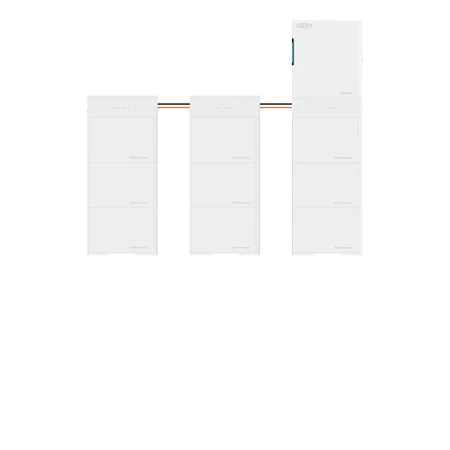
A 15kW three-phase solar system with battery storage typically combines a 15kW hybrid inverter, 16–20kW PV array, and 30–60kWh lithium battery capacity. With 450W–550W modules, the system usually requires 28–40 panels and can produce around 20,000–30,000kWh annually depending on location. Proper sizing improves self-consumption, backup availability, and grid independence for homes, farms, and small commercial buildings.
A 15kW three-phase solar system is designed for applications where electricity demand is higher than typical residential single-phase installations. The system normally uses three-phase AC output at 400V or 480V depending on regional standards, allowing stable operation of larger appliances, pumps, workshops, and commercial equipment. A properly designed installation can reduce grid electricity usage by 60%–90% when solar generation and battery storage are matched with daily consumption patterns.
A typical configuration includes 30–36 photovoltaic modules rated between 420W and 550W, a three-phase hybrid inverter, and a lithium battery system sized according to expected energy usage.
Solar array sizing determines how much electricity can be generated throughout the year. A 15kW system does not always require exactly 15kW of solar panels because installers often oversize the PV array to improve production during morning, evening, winter, or cloudy periods. Many systems use a DC-to-AC ratio between 1.1 and 1.3, meaning a 15kW inverter may be connected with 16.5kW–19.5kW of solar panels.
| Component | Typical specification |
|---|---|
| Solar modules | 450W–550W mono crystalline panels |
| Panel quantity | 28–40 units |
| PV capacity | 15kW–20kW |
| Inverter output | 15kW three-phase |
| Battery capacity | 30kWh–60kWh |
| System efficiency | 85%–92% after losses |
The number of panels depends on module efficiency, roof space, and local solar resources. For example, 36 panels rated at 450W provide a 16.2kW array. In a location receiving 4.5–5.5 peak sun hours per day, this system may generate approximately 65–85kWh of electricity daily before considering temperature and conversion losses. Modern photovoltaic modules generally lose around 0.3%–0.5% output per year, with many manufacturers providing 25–30 year performance warranties.
The inverter controls electricity conversion between the solar array, battery, grid, and connected loads. A three-phase hybrid inverter must manage DC input from multiple PV strings while maintaining balanced AC output across three electrical phases. Most modern units achieve 96%–98% conversion efficiency, reducing energy losses during daily operation.
The inverter should have enough PV input capacity, battery compatibility, and backup output capability to support the expected electricity profile over a 10–15 year operating period.
Battery storage selection depends on how much electricity needs to be stored after sunset or during grid interruptions. Lithium iron phosphate (LiFePO₄) batteries are commonly used because they provide high cycle durability and stable thermal performance. Many commercial battery systems are rated for more than 5,000–8,000 cycles, with usable depth of discharge commonly set between 80% and 95%.
A simple storage calculation can be based on daily electricity consumption:
| Daily electricity use | Recommended battery size |
|---|---|
| 25kWh/day | 25–35kWh battery |
| 50kWh/day | 50–60kWh battery |
| 80kWh/day | 80–100kWh battery |
For example, a building consuming 50kWh per day and requiring one full day of backup may need approximately 55kWh of battery capacity when using a 90% usable discharge level. Battery capacity planning should also consider future electricity demand, because many systems operate for more than 15 years after installation.
The physical arrangement of the solar system affects long-term performance. Solar panels should be installed with suitable tilt angles, minimal shading, and sufficient airflow beneath modules. A temperature increase of 10°C above standard testing conditions can reduce photovoltaic output by approximately 3%–5%, depending on module characteristics.
The three-phase design also requires careful electrical load distribution. Uneven phase loading can increase voltage imbalance and reduce equipment performance. Large loads such as water pumps, air conditioning systems, electric vehicle chargers, and workshop machinery should be reviewed before installation.
A balanced three-phase system can maintain more stable voltage conditions and improve compatibility with motors and commercial electrical equipment.
Energy management software is increasingly used in residential and commercial solar storage systems. These platforms monitor electricity production, battery status, household consumption, and grid exchange. Some systems use weather forecasting data to adjust charging schedules, allowing batteries to store more solar energy before periods of low sunlight.
A system such as the ESYsunhome HM15 integrates solar generation and energy storage management in a compact solution designed for residential applications. Systems in this category commonly support intelligent charging, backup operation, and remote monitoring functions.
Installation safety requirements include DC protection devices, AC circuit breakers, surge protection, grounding systems, and battery management systems. Electrical protection equipment typically represents around 5%–10% of total system cost but plays an important role in maintaining safe operation during voltage changes, lightning events, or equipment faults.
Maintenance requirements for a 15kW solar storage system are relatively limited compared with conventional power equipment. Solar panels usually require periodic cleaning depending on dust conditions, while inverter inspections are commonly recommended every 1–2 years. Battery systems generally include automatic monitoring through battery management software, which checks temperature, voltage balance, and charging performance.
The financial performance of a solar-plus-storage system depends on electricity prices, solar radiation, battery usage frequency, and installation costs. In regions with high electricity tariffs, increasing solar self-consumption from 30% to 80% can significantly reduce annual electricity purchases. Many systems are designed with an expected service life of 20–30 years for solar modules, 10–15 years for inverters, and 10 years or more for lithium battery storage.
A well-sized 15kW three-phase solar system can provide approximately 20,000–30,000kWh of annual electricity generation and reduce dependence on grid power through coordinated solar production and battery storage.
For residential properties, farms, and small commercial buildings, the final system design should be based on actual electricity records rather than only the building size. Reviewing 12 months of electricity bills, identifying daytime and nighttime consumption patterns, and calculating backup requirements usually produces a more accurate system configuration.
A complete 15kW three-phase solar installation combines photovoltaic generation, battery storage, and intelligent power management into one energy system. With appropriate component selection, the system can provide stable electricity supply, improve renewable energy usage, and support long-term energy planning for modern buildings.